

There is no subject more suited to hands on learning than science. And children are the most natural scientists on the face of the Earth, because they are in constant wonder of the world around them and they lack the adult inhibitions we grownups have about asking questions and putting forth theories about why.
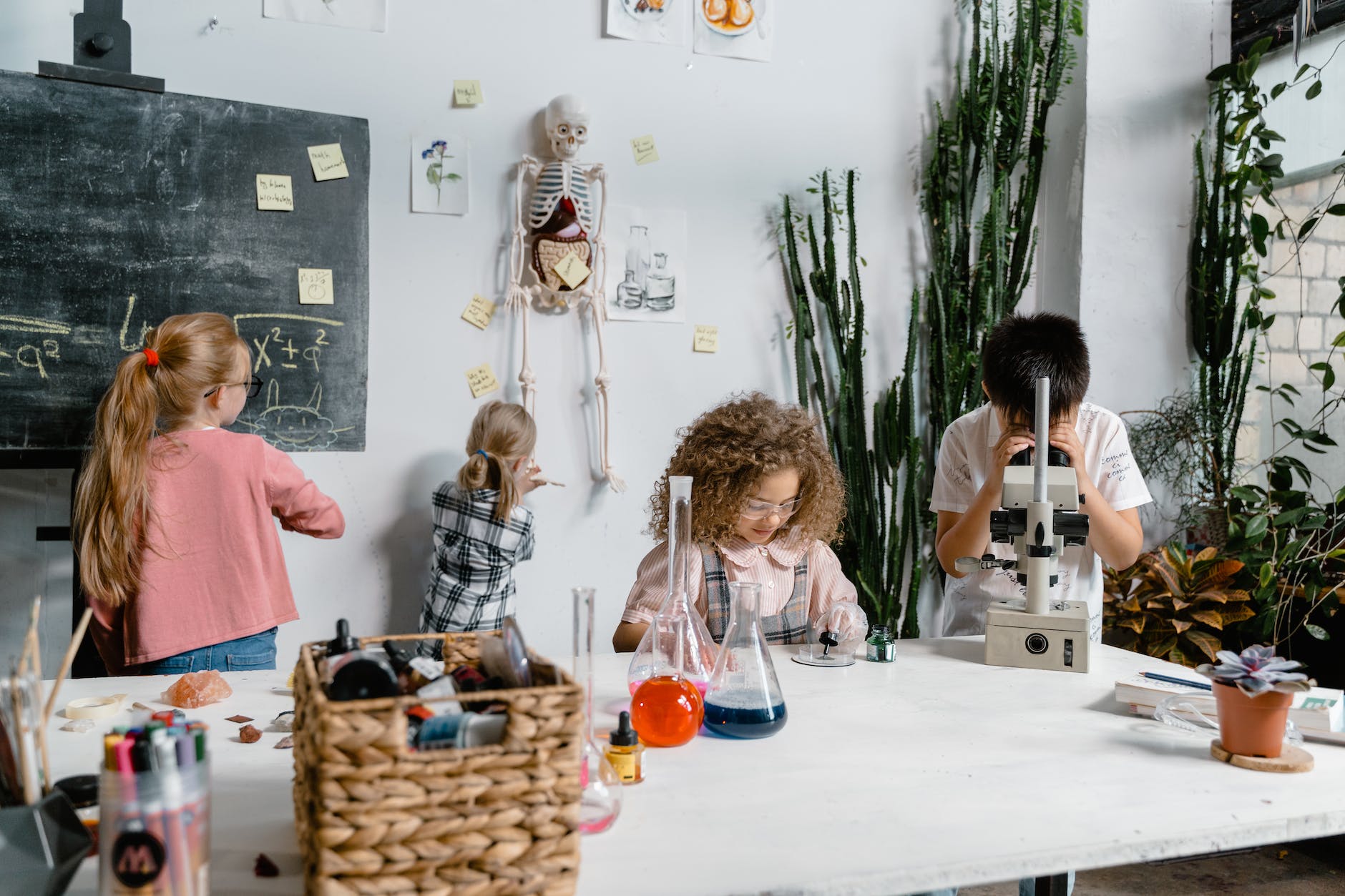
And, as an added bonus, it is super easy to integrate language arts and math into whatever science topic you may be studying at the time. So, if you are like me and you’re suffering from the post-Holidays, mid-Winter/wish-it-was-Spring-but-sadly-it-isn’t-yet doldrums, you may want to pull out a science book and draw some inspiration from experimentation.
Our class’s inspiration came from a little tangent we took as we wrapped up our cooking project. After reading the Little Red Hen, we had asked the students to create a machine that would help the hen bake her bread, since she was clearly not getting any help from her animal friends. As you might expect, some of these machines involved nothing more than a box with a button that would take in all the ingredients and magically pop out a loaf of bread Jetson’s style. But others were quite a bit more complicated and fantastical. Despite their impracticality, the kids had a blast imagining them, and in the process, they became very interested in machines and how they work.
This led us to explore the everyday, yet fascinating, world of simple machines. You may already know this, but I had forgotten. There are six simple machines that help power the world and make our lives easier, and they are literally everywhere you look. They are in the kitchen (knives, spatulas, rolling pins), in your school supplies (scissors, rulers, staplers), on our toys (wheels, gears). Even the knob you use to open the door is a simple machine!
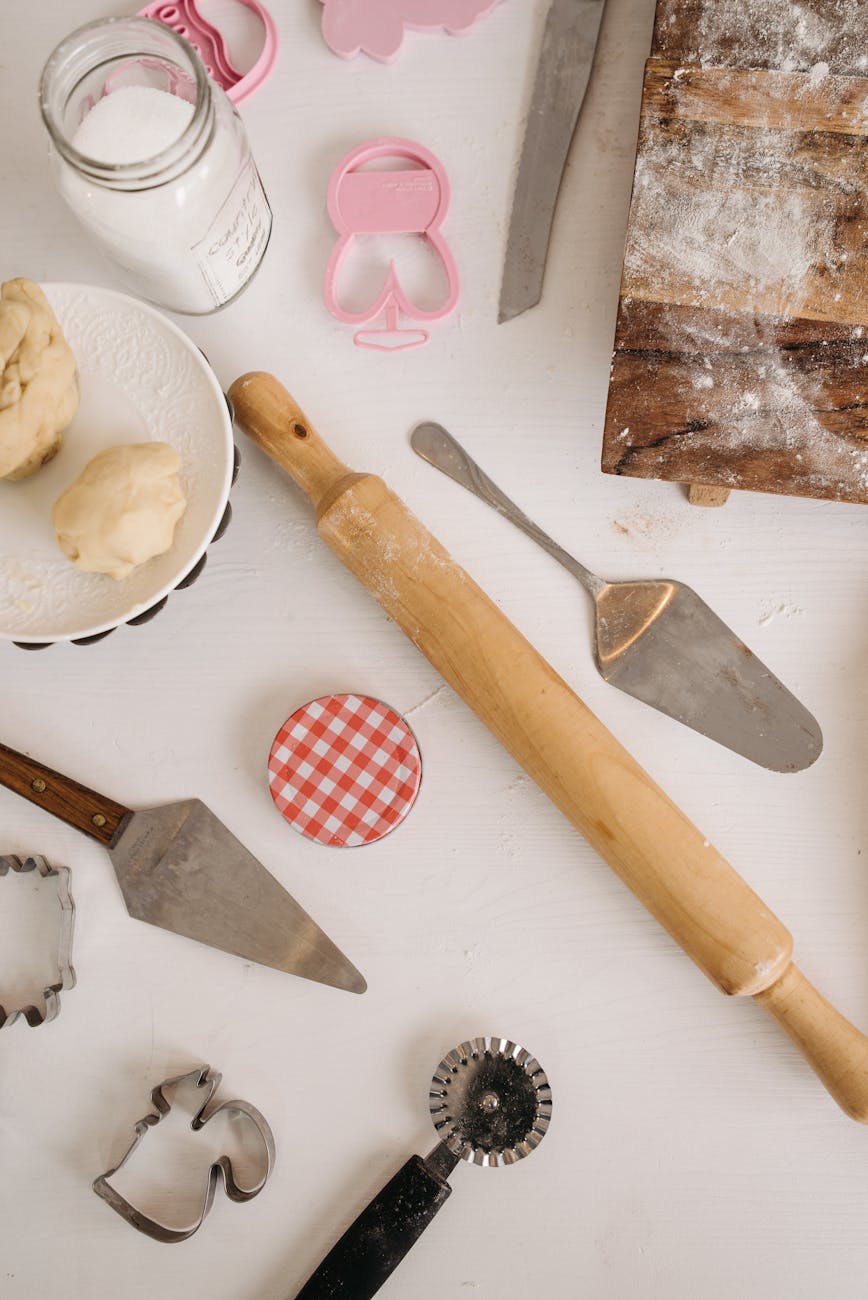
And because simple machines are everywhere, it should be very easy to find a variety of them for a great introductory activity that will really get your kiddos thinking. I collected an assortment of seemingly unrelated objects that the kids are very familiar with (scissors, a doorknob, a butter knife, a toy car), put them out on the carpet, and asked them, “What do all of these things have in common?” They were stumped. (Answer: they are all simple machines, of course!)
What? How is a doorknob a machine? (Hint: it’s a wheel and axle…and some of them are levers as well!)
This had them all intrigued, and we were hooked.
We started with the inclined plane because it is one of the simplest (and most fun) to demonstrate and experiment with. (Also, a wedge is two inclined planes put together, and a screw is an inclined planed wrapped around a cylinder, so the inclined pane seemed like a logical starting point.) It was also a massive hit.
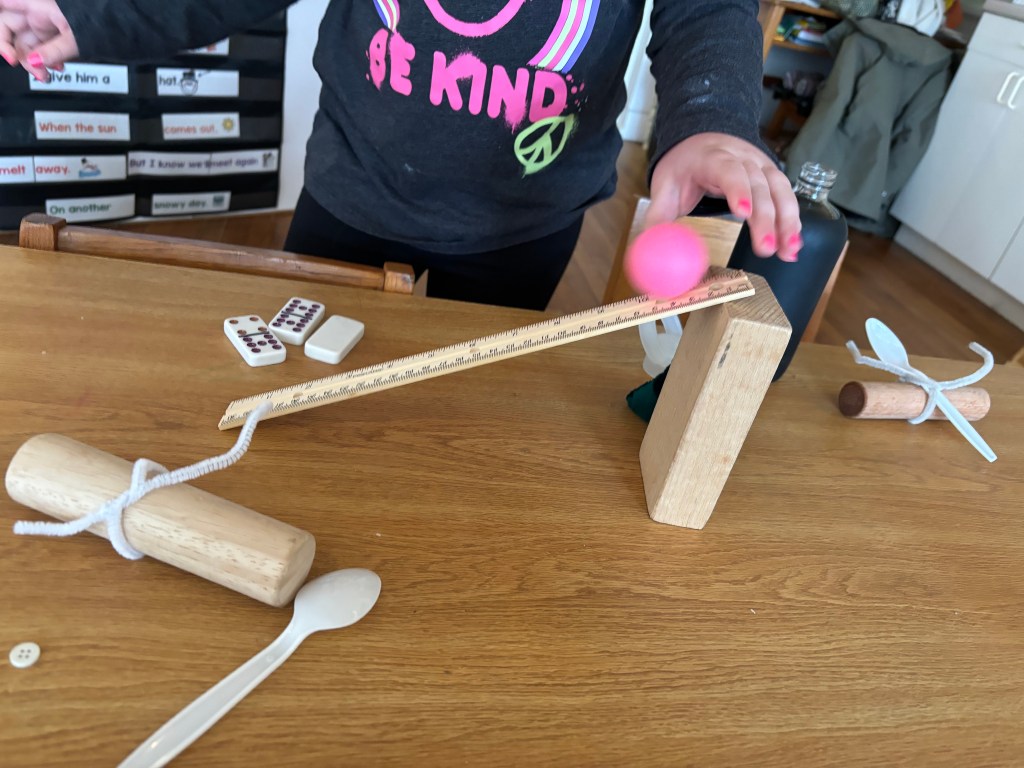
We built ramps out of rulers and blocks, and then we expanded on those ramps by adding as many other ramps as we could with popsicle stick triggers to cause a chain reaction. We used a variety of balls to roll down the ramps (wooden balls, golf balls, round wooden beads) until we discovered that a ping pong ball was just the right height and weight to push over the popsicle sticks and also stay on course. The rulers needed to be the wooden kind with the trench down the middle, otherwise the balls would roll haphazardly off the track. Plastic hot wheels racetracks work even better because they have short walls to prevent the balls from falling off the edge. But you can also build walls with blocks.
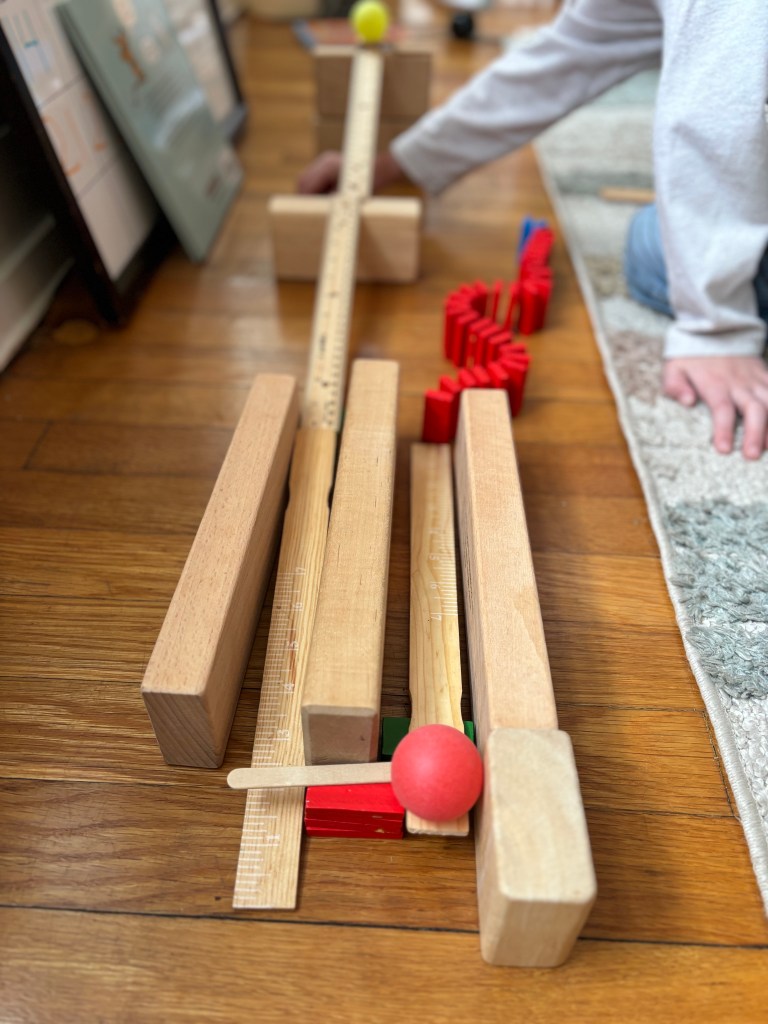
And, by all means, don’t take my word for it. Experiment and see what else you can find that works. Add some dominoes and empty cups to spice things up a bit. Give your kids a variety of supplies and see what they can find that works even better than our solutions. Learning through experimentation is, after all, the point of this project. But beware! This experiment will cause lots of loud groans, and plenty of shouts of joy as well.
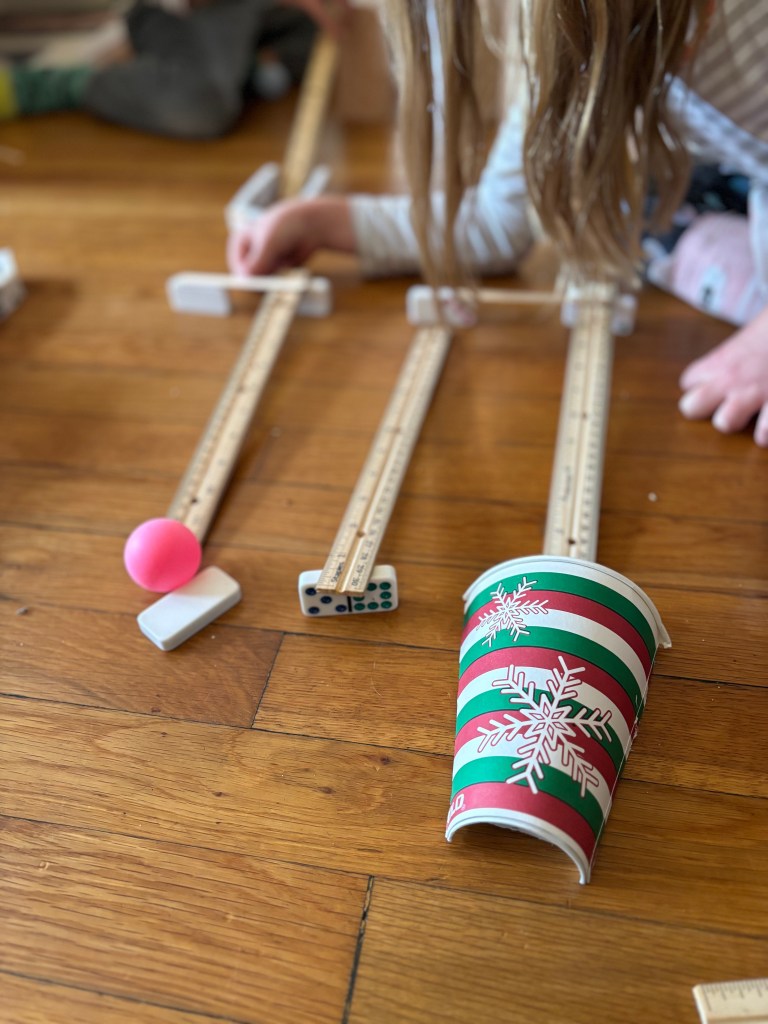
But what I didn’t count on it teaching was perseverance. This was definitely an unexpected positive effect. Kids who would often quit things as soon as they got difficult were suddenly saying, “Wait! Let me try that again…maybe this will work.” Over, and over, and over again, until they succeeded. And that, my friends, was the biggest triumph of all!
Here are some highly recommended book titles to help get the simple machine experimentation juices flowing:
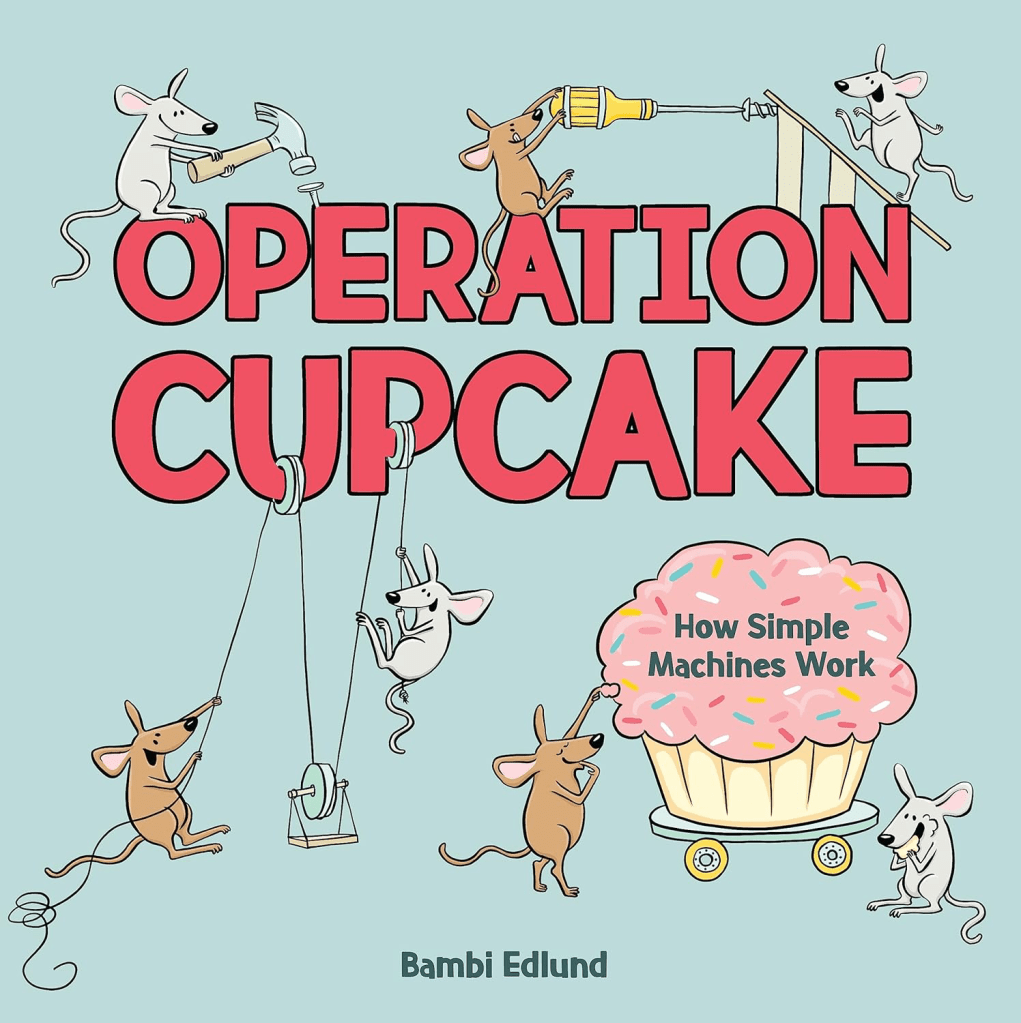
Operation Cupcake: A humorous and informative adventure of two mice, Ginger and Mac, who are on a mission to save a delectable vanilla cupcake with pink buttercream icing. How do they accomplish this feat? With the help of simple machines, of course! (Great explanations and simple experiments to do in class in this one!)
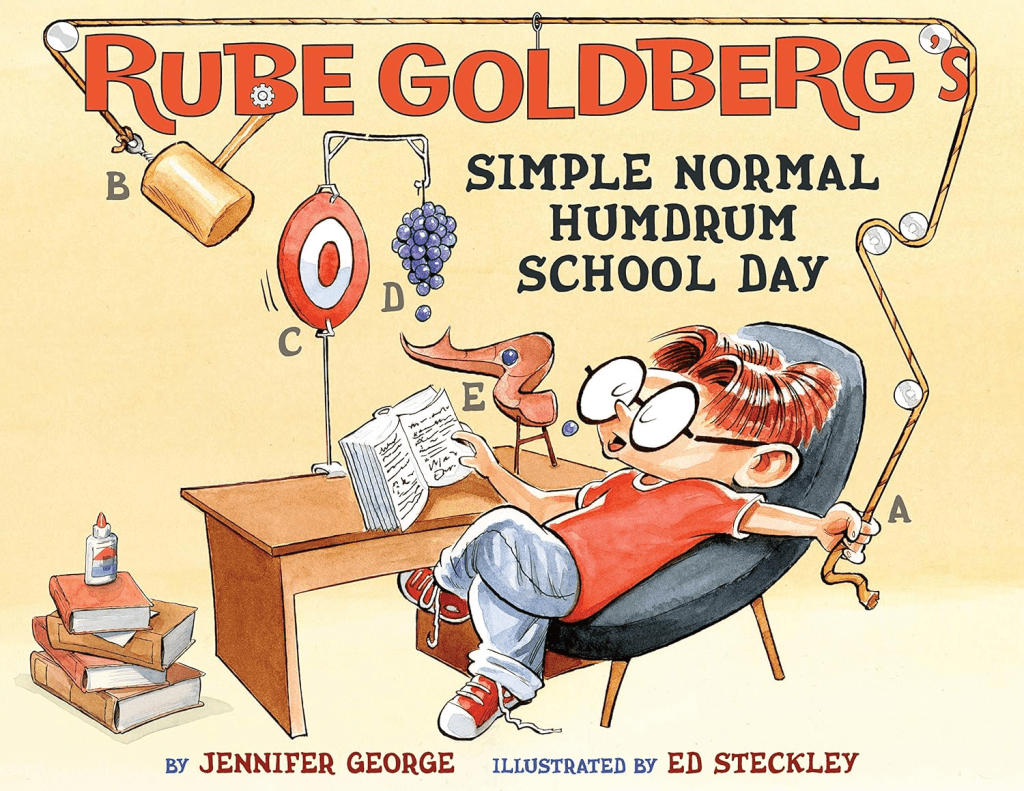
and Rube Goldberg’s Simple Normal Humdrum School Day. This one does not explain simple machines, but each page is a delightful drawing of complex devices constructed of simple machines to accomplish every day tasks. The kids loved this one and asked to read it over and over again.


Leave a Reply